
Do you need to register IP before publishing a book?
Or hire professional editors before you even finish your draft?
I get this question often.
Here’s my answer:
Write something worth protecting first.
Copyright Reality (Without Drama)
In most countries, your work is automatically protected the moment it’s written in fixed form.
Formal IP registration can make sense later — especially for larger commercial projects or licensing deals.
But registration does not make your book successful.
What Actually Makes a Book Work
A book succeeds because:
- It says something true.
- It solves a real problem.
- It is clear.
- It respects the reader’s time.
Not because you filed paperwork early.
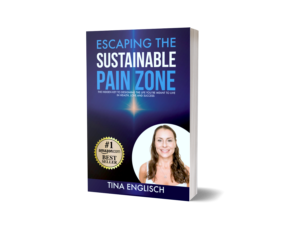
When I published Escaping the Sustainable Pain Zone, readers responded to the message.
That’s what matters.
What About Professional Editing?
Yes — editing matters.
But timing matters more.
There are stages:
1. Write it.
Messy. Honest. Complete.
2. Clarify it.
Structure. Flow. Logic.
3. Polish it professionally.
Language. Rhythm. Precision.
Editing elevates strong work.
It cannot fix weak thinking.
If you bring hesitation to an editor, you’ll get polished hesitation.
The Hidden Delay
Here’s the part most people don’t want to admit.
The IP question is often not about protection.
It’s about fear.
Not even so much the fear of being copied.
But fear of being judged.
Fear of publishing something that might expose a truth.
So instead of finishing the manuscript, they research legal frameworks.
Instead of sharpening the message, they compare editing packages.
And instead of risking visibility, they build theoretical safety.
It feels responsible, strategic, adult.
But it is delay. And it is a sustainable pain zone, that was just created in the process of creating something.
It is much easier to protect an idea than to expose it.
Much easier to talk about contracts than to complete chapter twelve.
And it’s much easier to prepare for success than to risk imperfection.
No one steals unfinished drafts that sit on your laptop.
The bigger risk is that your book never leaves your desk.
Protection becomes a shield.
Editing becomes an excuse.
Preparation becomes a hiding place.
The real work is finishing something real.
When IP Does Matter
IP becomes relevant when the work is already alive.
When someone approaches you and says:
“We want to translate this, distribute this internationally, turn this into a movie…”
That’s when you get a lawyer and look at contracts.
That’s when details matter.
The Order That Works
- Write the book.
- Refine the message.
- Polish it professionally.
- Then handle legal details.
Not the other way around.
Write first.
Protect later.